New Delhi: Bahrain
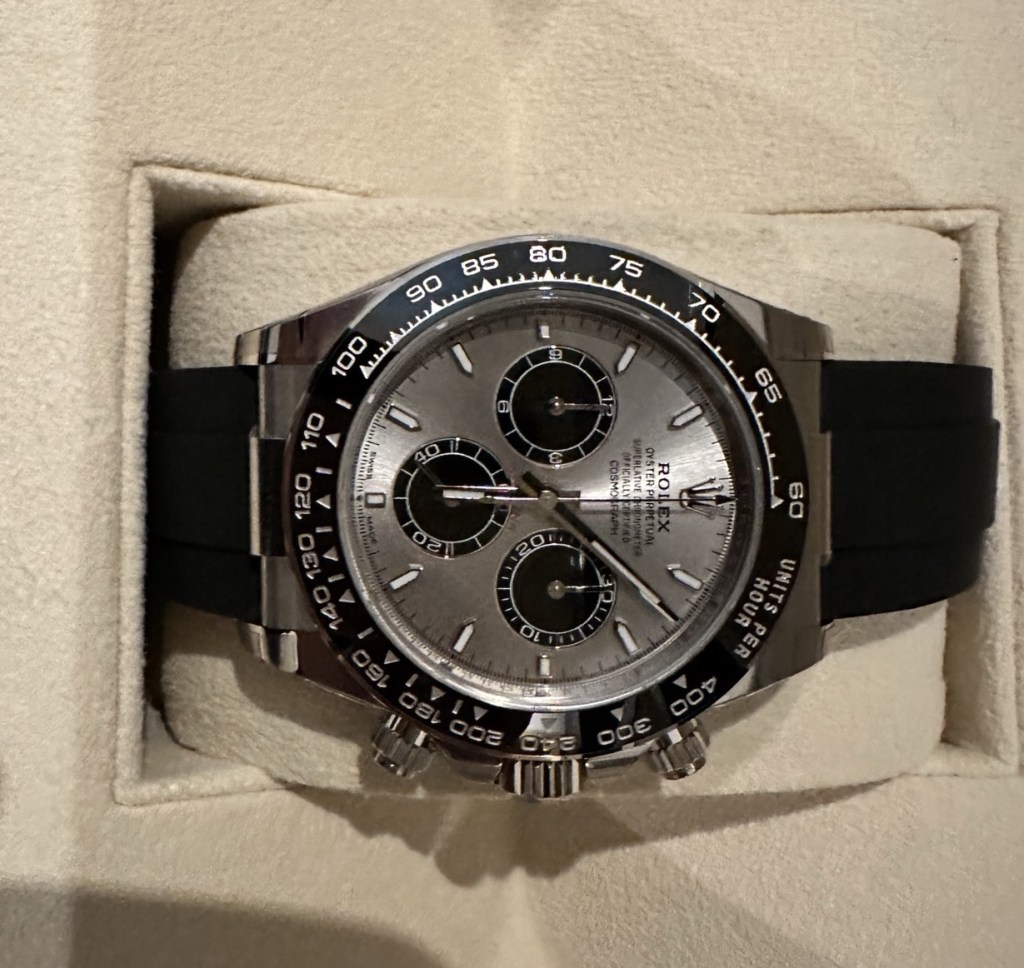
In a sharp rebuke to arbitrary customs practices at Indian airports, the Delhi High Court has set aside the seizure of a luxury wristwatch wrongfully taken from a NRI passenger during his India visit ruling that a single personal-use wristwatch cannot be treated as “commercial quantity” or “smuggled goods.” The Court held that the department acted beyond the scope of the law, resulting in harassment of a compliant traveller.
The case involved Rajkumar Singh, an Indian national, professional banker, and long-time resident of the Kingdom of Bahrain (NRI). Singh arrived at Delhi’s Terminal 3 with a personal luxury wristwatch, which customs officials took off from hand in the name of scanning and forcefully seized on grounds of “non-declaration at red channel” and alleged commercial/smuggling intent. Believing this to be a clear misuse of authority, Singh decided to challenge the seizure legally and a decision that ultimately resulted in a landmark ruling now being cited as precedent.
Court Summons Customs Officers
During the proceedings, Justice Prathiba M. Singh did not merely seemed disappointed with the department. she went a step further and summoned the customs officers and the Commissioner to appear before the High Court, signalling the seriousness of the violation.
Delivering the order, Justice Singh observed that the authorities had adopted a hyper-technical and legally unsustainable approach.
“Treating a single luxury wristwatch wearing in hand as commercial quantity is unjustified and reflects poorly on the system. Such actions embarrass the country’s regulatory mechanisms,” the Court noted in its sharp remarks.
A 15-Day Victory That Restored Public Confidence
The case was represented by Delhi based legal counsel Mr. Mandeep Baisala and his team, who welcomed the judgment.
The appeal filed at the Delhi High Court was decided within 15 days (Order no W.P.(C)2651/2025) and the swift, strongly worded ruling has generated countrywide appreciation. Legal observers note that the case has renewed public trust in the Indian judicial system.
Mr. Baisala stated that the judgment not only rectifies an individual grievance but also sends a powerful message across enforcement agencies to exercise discretion responsibly and within legal boundaries.
Personal Allowance vs. Arbitrary Interpretation
The High Court clarified that import rules clearly distinguish personal belongings from commercial stock, and under no reasonable interpretation can a single wristwatch be treated as a commercial consignment. It further emphasised that mere non-declaration of an eligible personal item does not amount to smuggling, as wrongly alleged by customs officials.
Broader Impact
The ruling is expected to bring relief not only to Singh but to thousands of international travellers who report inconsistent, aggressive, or arbitrary customs actions at airports.
Singh, speaking after the judgment, said:
“This is not just a personal victory. It restores faith in the judicial system and sends a message that ordinary travellers cannot be bullied or misled under the guise of procedure.”
Legal experts believe the decision will serve as a strong precedent, especially in cases involving misinterpretation of customs rules related to personal effects.
Aviation analysts note that discretionary seizures at airports often lead to public frustration, social-media outcry, and avoidable litigation. The High Court’s intervention is expected to push authorities toward clearer guidelines and improved travel-processing standards.
A Message for the System
The ruling comes at a time when India aims to position itself as a global travel hub. Passenger-friendly regulatory conduct is essential, and the judgment sends a clear message to enforcement agencies:
Rules must be upheld, but fairness cannot be sacrificed.
In this HC order, Customs department was directed by H’ble high court of Delhi to refund the penalty amount to Mr. Singh along with Interest which customs department eventually compliant with a 308 days interest.